
Blog
When it comes to plumbing systems, some of the most critical components are often the least visible. One such component is the toilet wax ring—a small, inexpensive part that plays a vital role in maintaining hygiene, preventing leaks, and ensuring the proper functioning of a toilet installation. Despite its simplicity, understanding its importance can help homeowners, contractors, and facility managers avoid costly repairs and long-term damage.
What Is a Toilet Wax Ring?
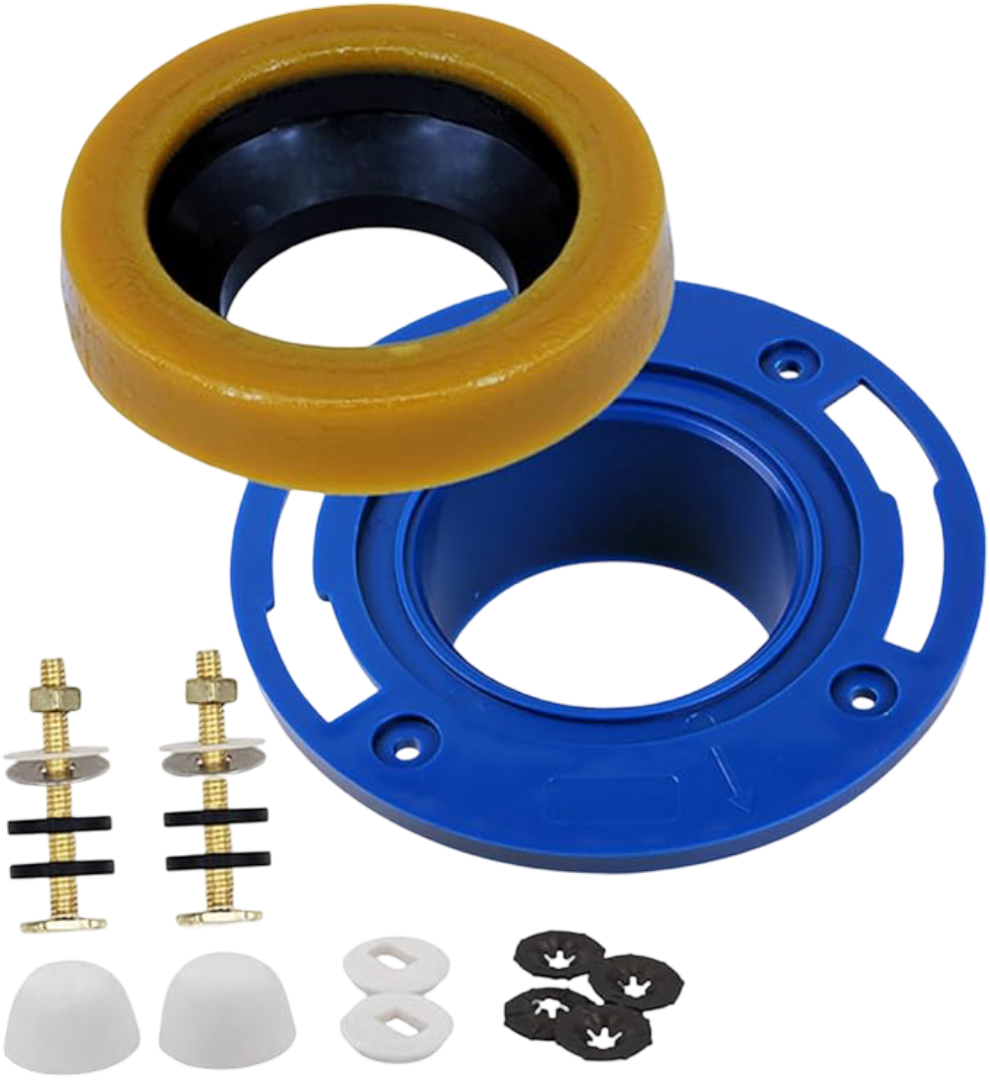
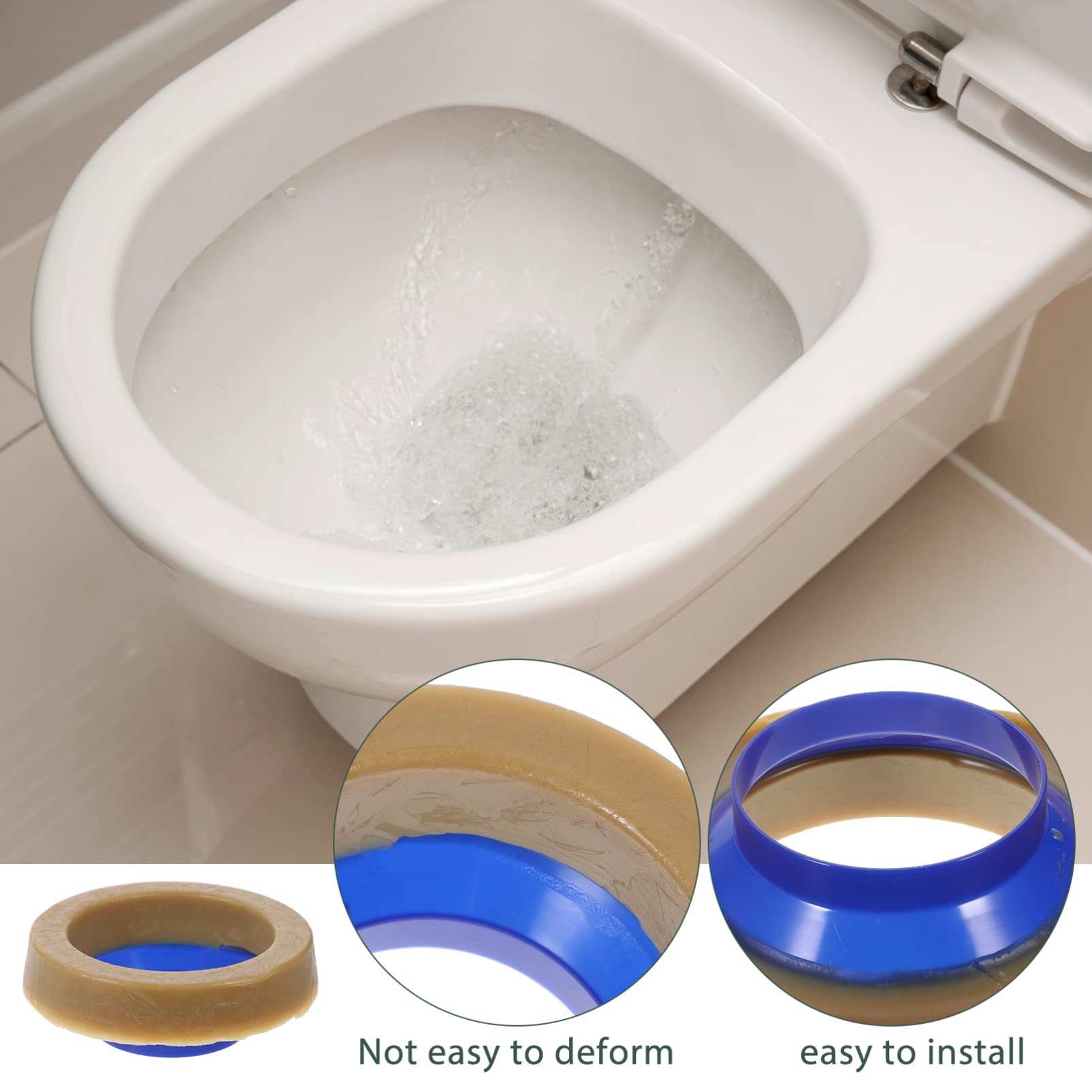
A toilet wax ring is a circular seal made primarily of petroleum-based wax, designed to fit between the base of a toilet and the flange on the floor. Its primary function is to create a watertight and airtight seal that prevents wastewater and sewer gases from escaping.
Because wax is highly malleable, the ring compresses when the toilet is installed, filling any small gaps or irregularities between surfaces. This adaptability makes it an effective sealing solution, even on slightly uneven floors.
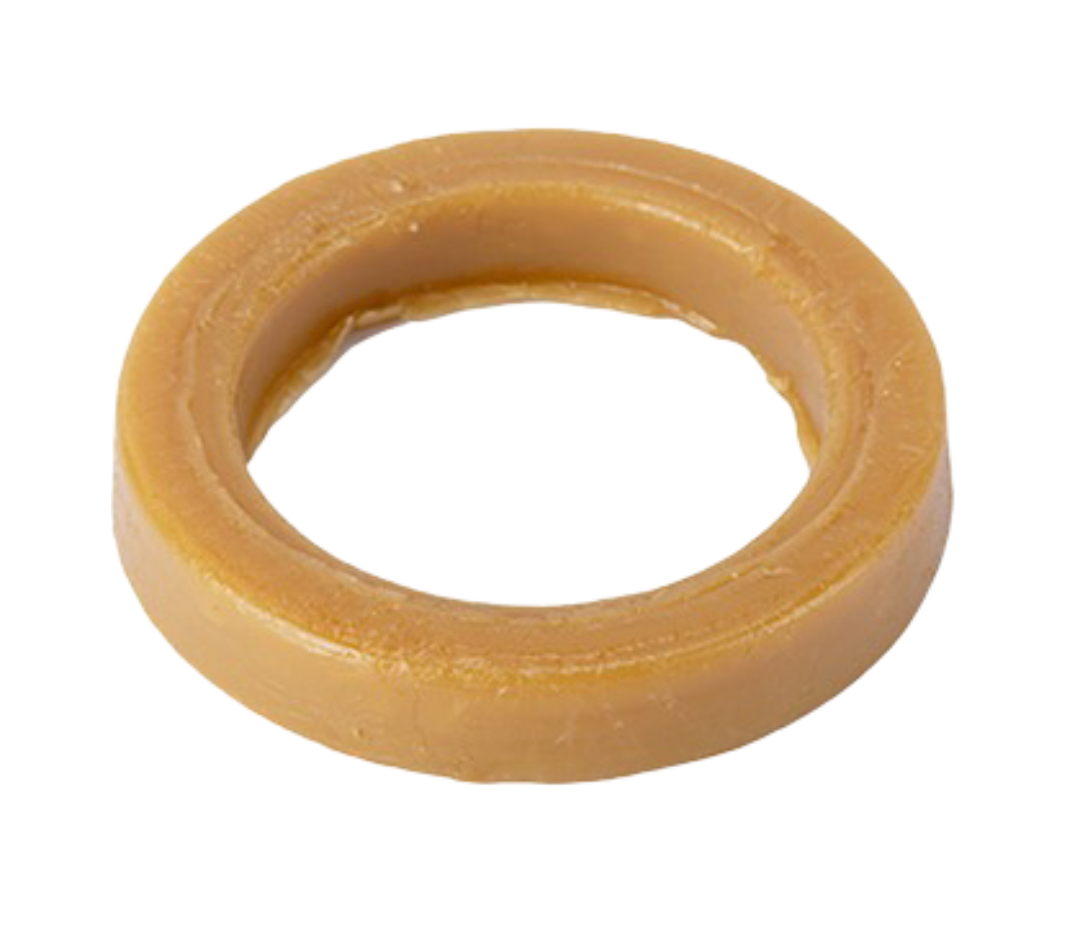
Wax vs. Foam: Choosing the Right Gasket for Your Bathroom Upgrade
Buying your replacement part introduces a common plumbing debate: choosing a foam versus wax gasket. Traditional wax rings remain popular because they create an incredibly sticky, waterproof barrier. The heavy porcelain squishes the moldable donut into every gap for maximum adhesion. However, this classic material is unforgiving. If you lower the bowl off-center and must lift it back up, that squished wax is ruined forever.
For DIYers nervous about perfect placement, modern foam alternatives offer a forgiving solution. Foam options bounce back into shape, allowing unlimited repositioning without the sticky cleanup. Additionally, rubber stretches to maintain its grip on older wooden floors that slightly flex when you walk.
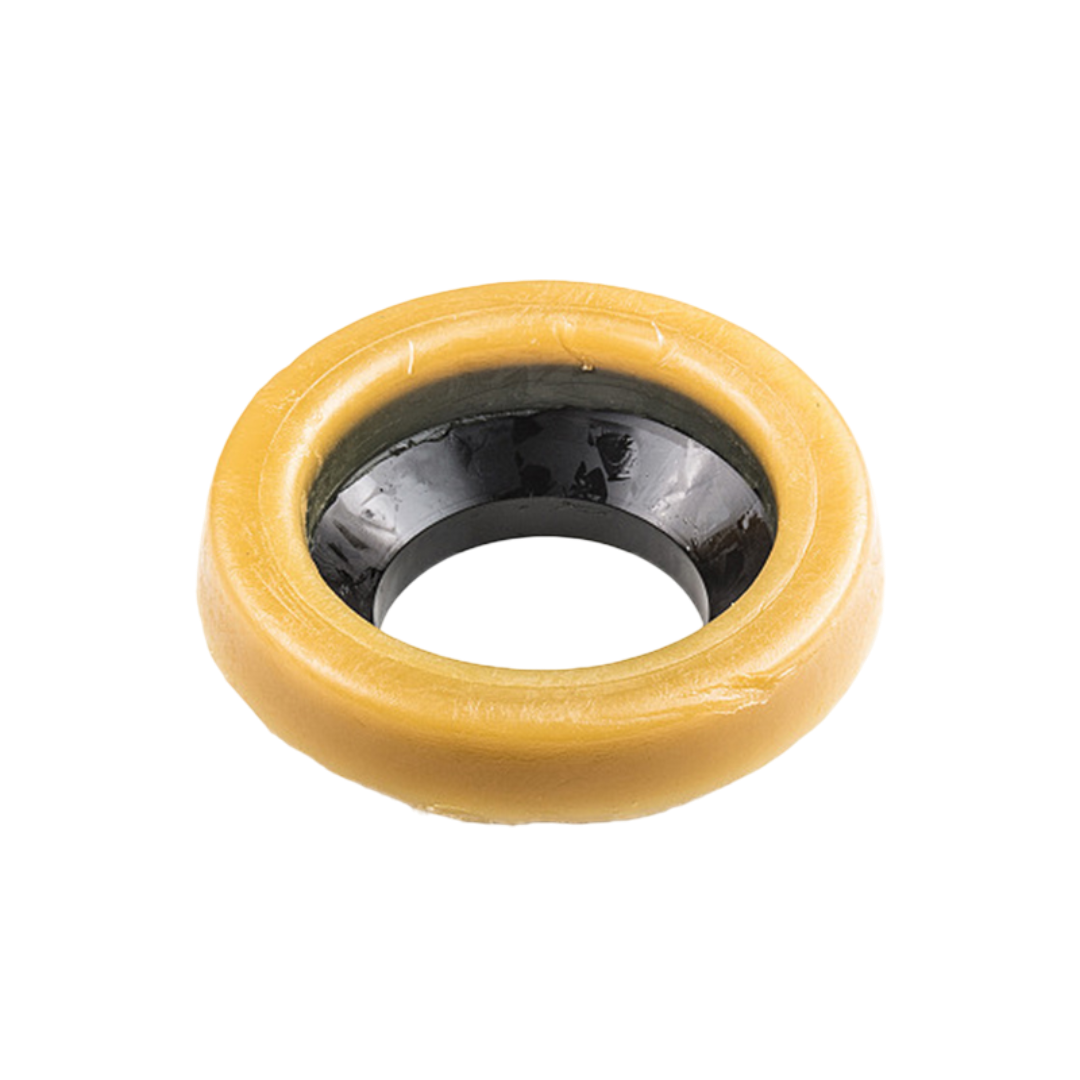
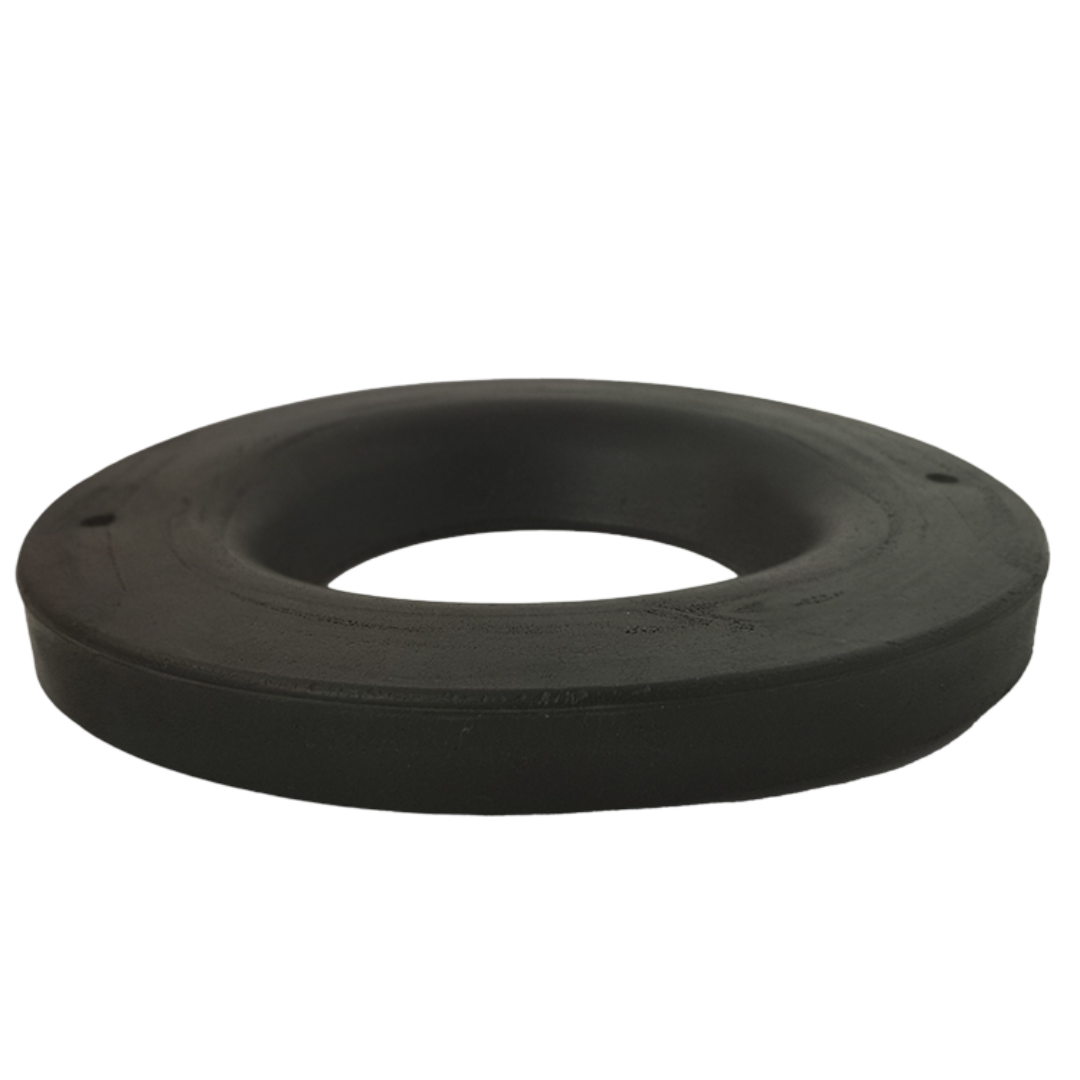
Wax Rings vs. Modern Alternatives
While wax rings have been the industry standard for decades, newer materials like rubber and foam gaskets are gaining popularity. These alternatives offer advantages such as reusability, cleaner installation, and better performance in fluctuating temperatures. However, traditional wax rings remain widely used due to their reliability, low cost, and proven track record.
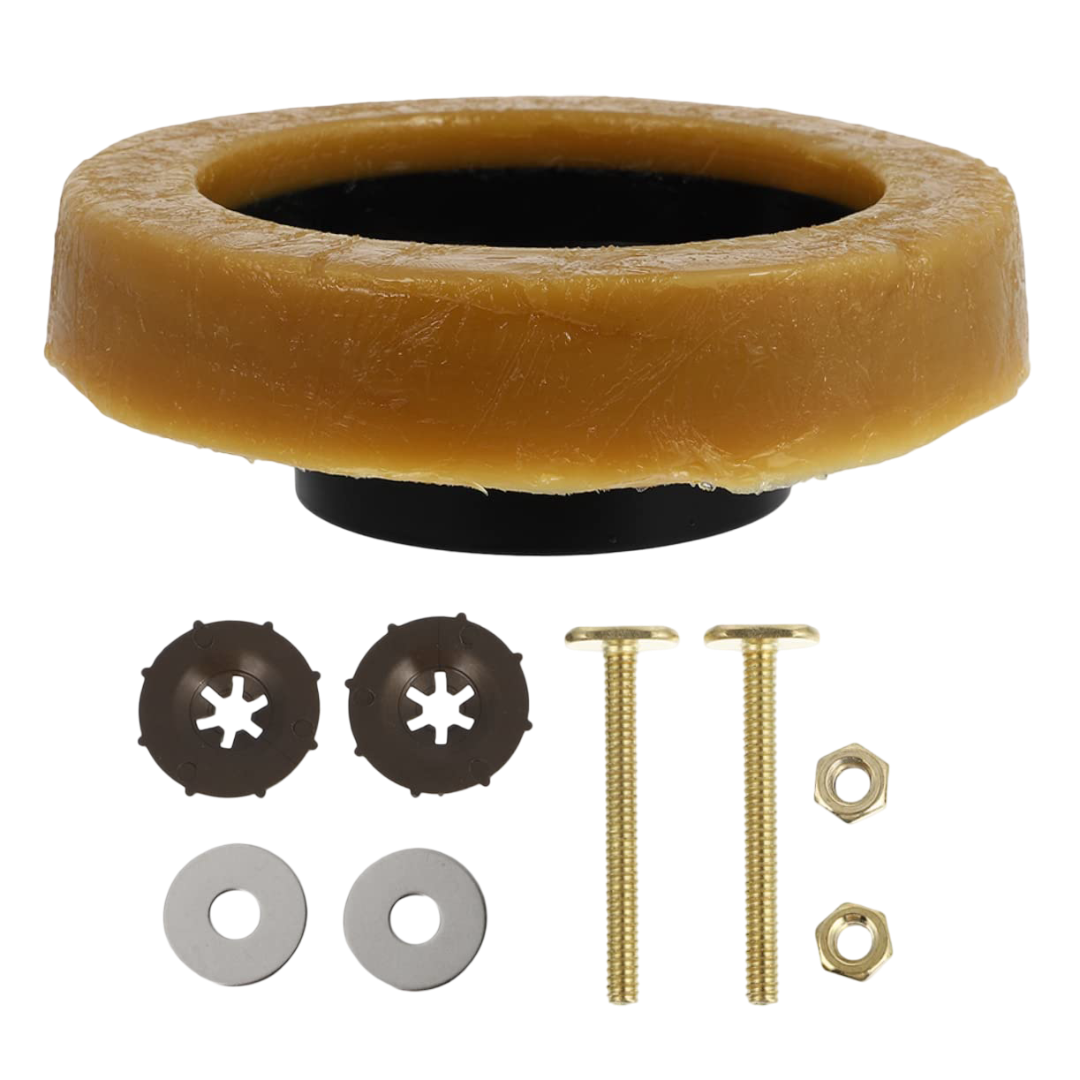
Key Functions of a Wax Ring
1. Preventing Water Leaks
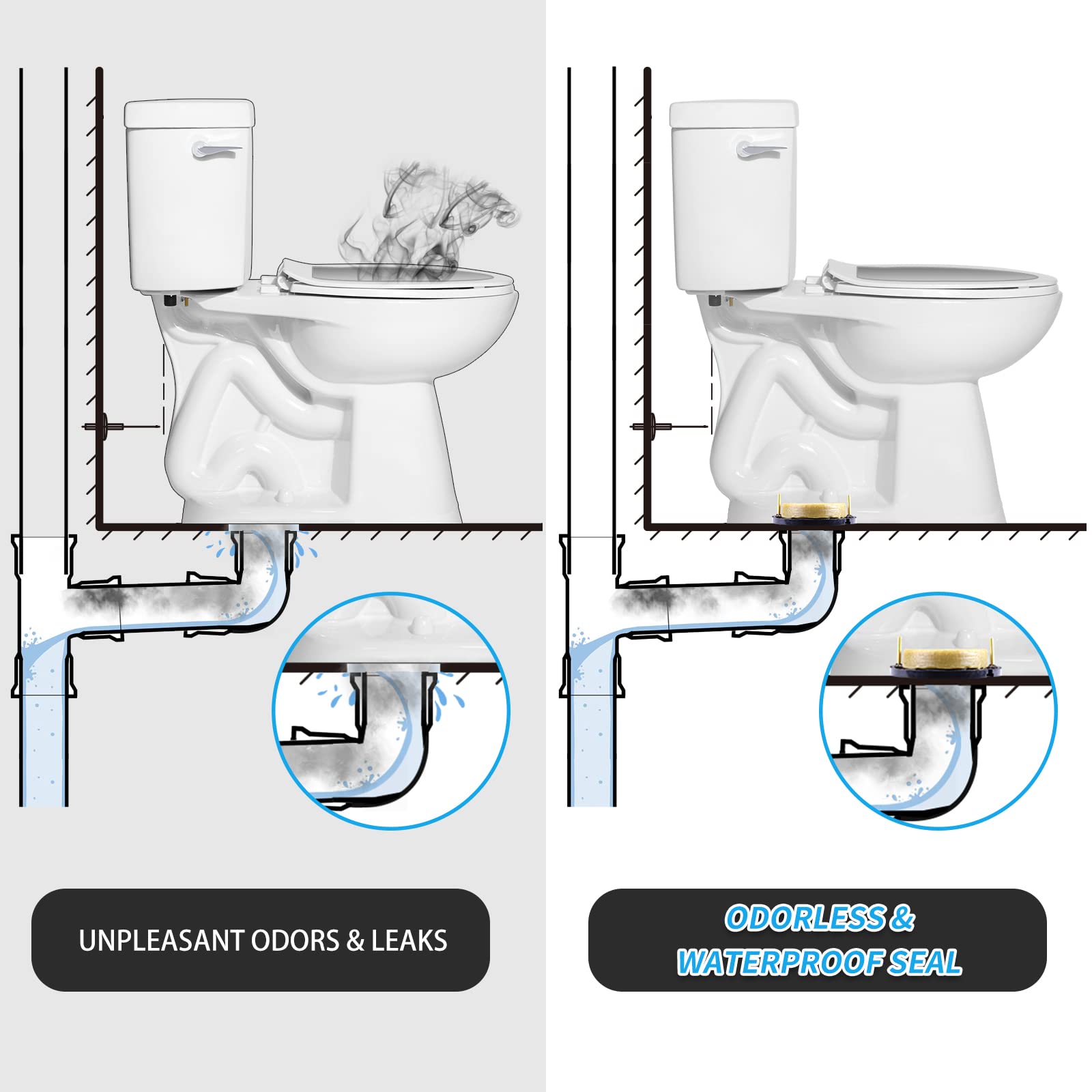
The wax ring ensures that all wastewater flows directly into the drainage system without seeping onto the bathroom floor. A failed or improperly installed wax ring can lead to leaks that damage flooring, subflooring, and even structural components over time.
2. Blocking Sewer Gases
Beyond water, the seal also prevents unpleasant and potentially harmful sewer gases from entering the living space. This is essential for maintaining indoor air quality and overall health standards.
3. Stabilizing the Toilet Base
While not its primary purpose, a properly compressed wax ring contributes to the stability of the toilet by helping eliminate minor gaps between the toilet base and the floor.
Signs of a Failing Wax Ring
A compromised wax ring can lead to several noticeable issues:
1,Water pooling around the base of the toilet
2,Persistent unpleasant odors in the bathroom
3,Toilet rocking or instability
4,Stains or soft spots on the floor near the fixture
These symptoms should not be ignored, as prolonged exposure to moisture can lead to mold growth and structural deterioration.
Installation Considerations
Proper installation is critical for a wax ring to perform effectively. Key best practices include:
-
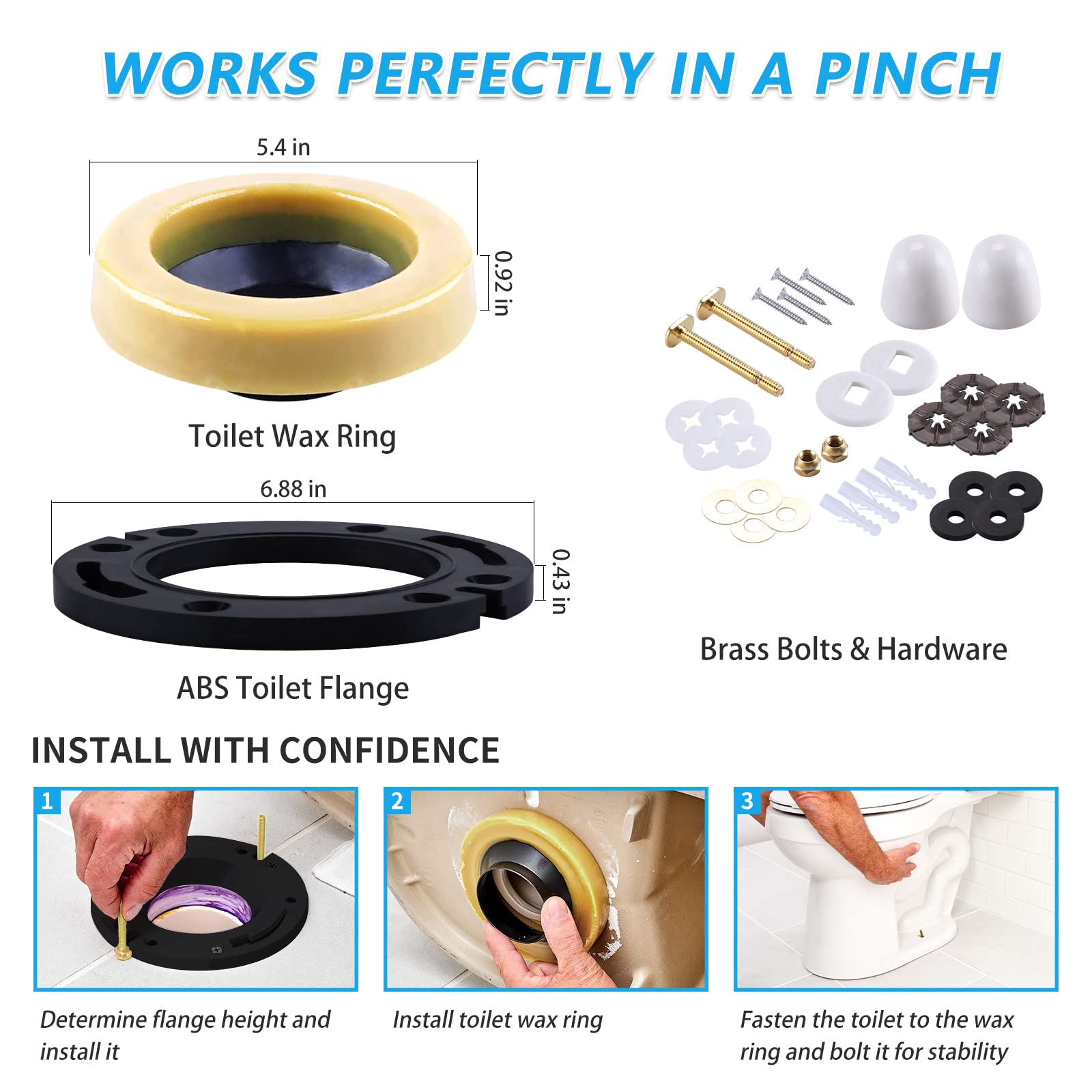
Ensuring the flange is at the correct height relative to the finished floor
-
Using the appropriate wax ring thickness(standard, extra-thick, or with a plastic horn)
-
Avoiding repositioning the toilet after
-
compression, as this can compromise the seal
-
Securing the toilet evenly to prevent uneven pressure distribution
Best Toilet Wax Ring Installation Step
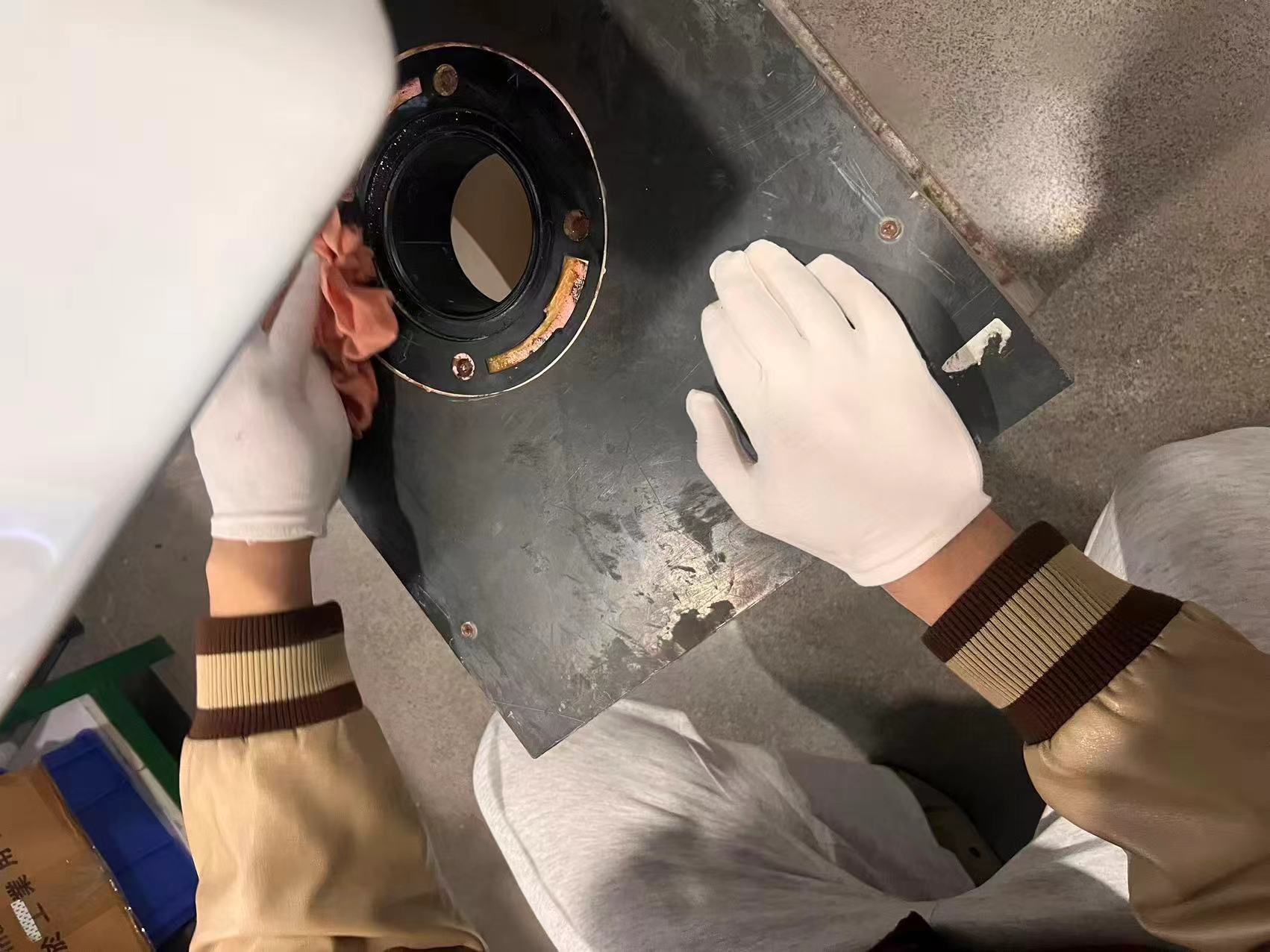
When fixing a water leak at the toilet base, proper technique matters just as much as a new part. Never reuse old, flattened wax; once compressed, it cannot reseal. Guarantee a dry bathroom floor with this step-by-step installation guide:
1,Water shut off: Turn off the valve and sponge the bowl dry.
2, Cleaning the flange: Scrape away all the old wax.
3, Prep work: Install new closet bolts for a sturdy grip.
4, Setting the ring: Place the new wax on the drain.
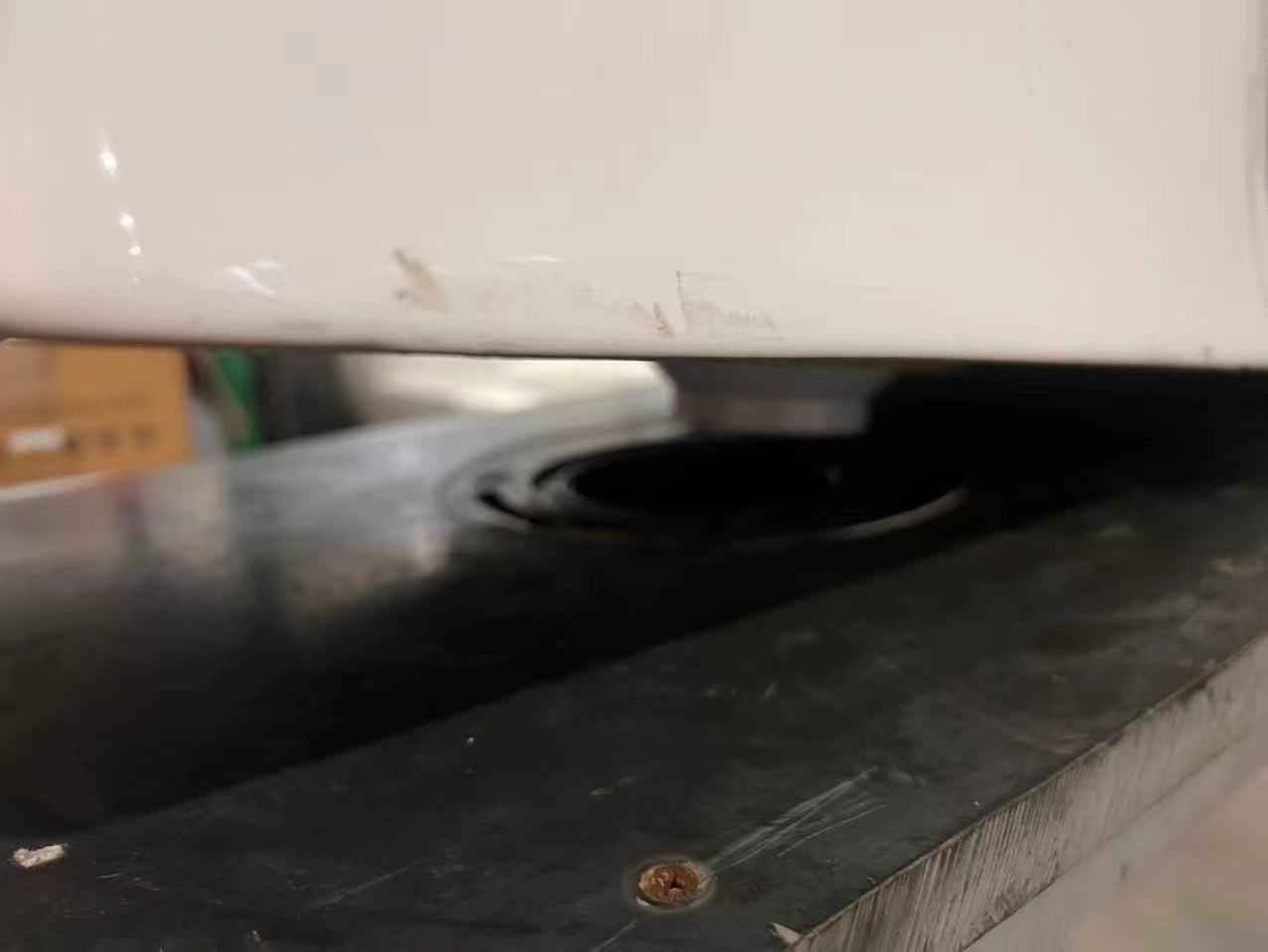
5, The ‘squish’ set: Lower the toilet straight down onto the flange without twisting.
In professional settings, installers may also evaluate whether alternative sealing solutions—such as rubber or foam seals—are more appropriate depending on environmental conditions.
How long you need replacement the wax ring?
Related Posts
How Important The Toilet Wax Ring For Your Bathroom
When it comes to plumbing systems, some of the most critical components are often the least visible. One such component is the toilet wax ring—a small, inexpensive part that plays a vital role in maintaining hygiene, preventing...
The Ultimate Guide to Toilet Wax Rings: Why Aoquan’s Premium Solution Stands Out for Plumbers & Builders
When it comes to toilet installation and maintenance, few components are as critical yet underappreciated as the toilet wax ring. This small but mighty sealing product is the unsung hero that prevents leaks, blocks unpleasant odors, and ensures long-term functionality...
Top 10 Brand Best-selling Toilet Flange Seal Ring On Amazon
Have you ever encountered the embarrassing situation of a leaking toilet or unpleasant odors? The culprit might be a faulty toilet flange seal. It’s important to know that a small seal plays a crucial role in the proper functioning of a toilet. Whether it’s a Kohler,...